Conversion · 2 November 2026 · 6 min read
The Frictionless Follow-Up: Mapping Client Continuity
Turn unpredictable demand into a structured flow by mastering the timing of the second appointment. It is about the rhythm of the return.

Most diary gaps do not arise from a lack of interest, but from the absence of a defined next step at the point of exit. When a client leaves a salon, the transition from a completed service to a future booking is often left to chance. This creates a reliance on external motivation, such as discount offers or frantic social media posts, to remind clients of their needs.
True occupancy relies on the intentional management of the gap between visits. By setting the rhythm of the return during the initial consultation, you remove the burden of decision-making from the client. They do not need to remember to book if the expectation of a standing or scheduled appointment is established from the first interaction.
Establishing the Return Rhythm
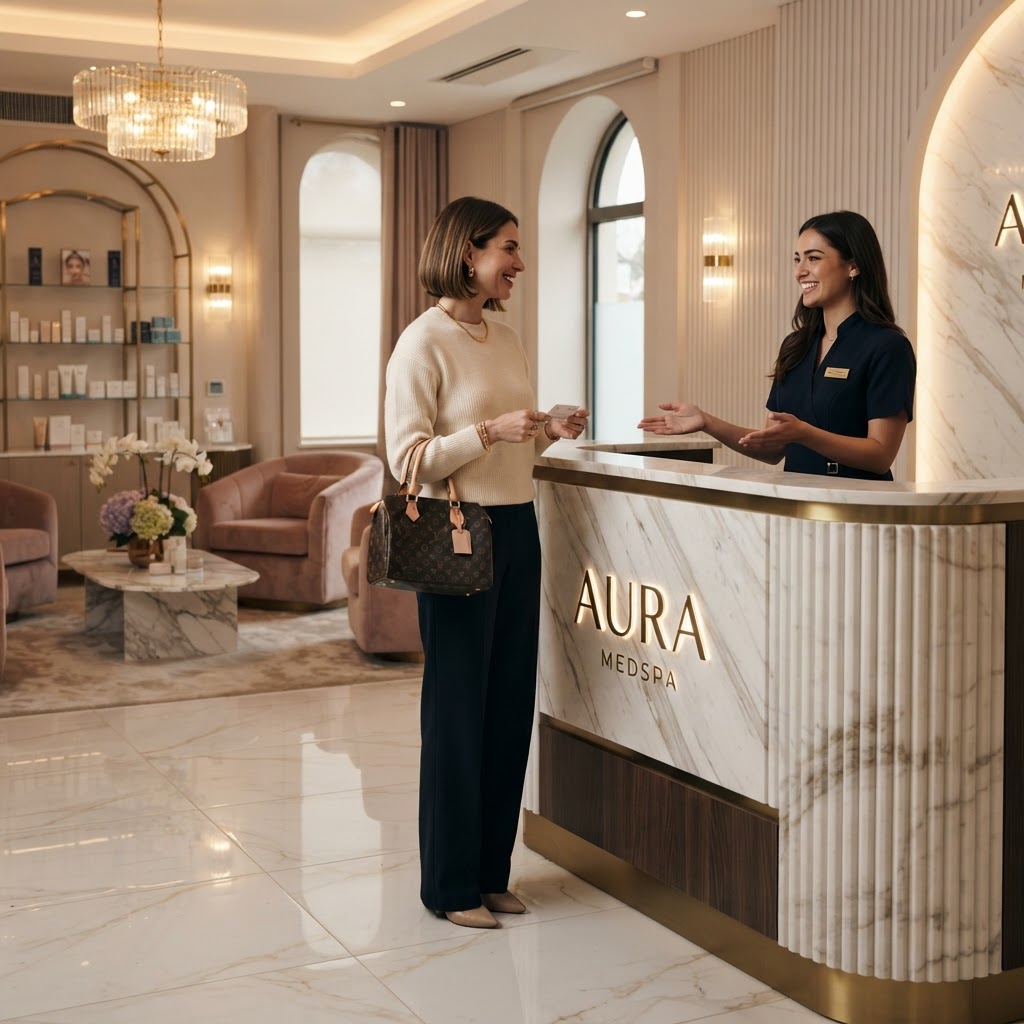
Define the appropriate return interval based on the biology of the treatment rather than the convenience of the diary. If a skin treatment requires consistent intervals to maintain progress, the booking must reflect that necessity. Propose the next date while the client is still in the room. Use specific phrasing to secure the commitment before they leave the space.
- To maintain the current results, the next session is required in exactly four weeks.
- The diary is currently being organised for the next quarter. Shall we secure your preferred time for the next three visits today?
- Given the current skin cycle, the optimal date for a follow-up is the second Tuesday of next month.
- Most clients in this programme prefer to keep a standing slot on the same day each month.
The Weekly Mapping Protocol
Review the diary every Monday morning specifically to identify clients reaching the end of their optimal return window. This is not a broad marketing exercise. It is a precise operational check. By contacting these individuals before they have reached the point of overdue, you frame the outreach as a courtesy rather than a solicitation.
A booking is not a request for time, it is the natural conclusion to a successful service cycle.
Managing Resistance
Objections are often just a lack of clarity regarding the purpose of the next visit. If a client is hesitant, clarify the specific outcome of the next appointment. Focus on the progression of the treatment rather than the price or the availability. When the value is linked to the maintenance of their results, the booking becomes a logical step for the client to take.
Operational Clarity
Focus on the timeline of the treatment efficacy to guide the client, not the current state of your diary.
Consistency in the diary is a byproduct of operational discipline rather than luck. By focusing on the cycle of the client's needs and embedding the next booking into the completion of the current one, you create a self-sustaining flow. Watch the rhythm of your rebookings, adjust the intervals, and observe how the gaps begin to disappear.